Not My Neighbor Download: Indie Horror's Creepy New Kid on the Block
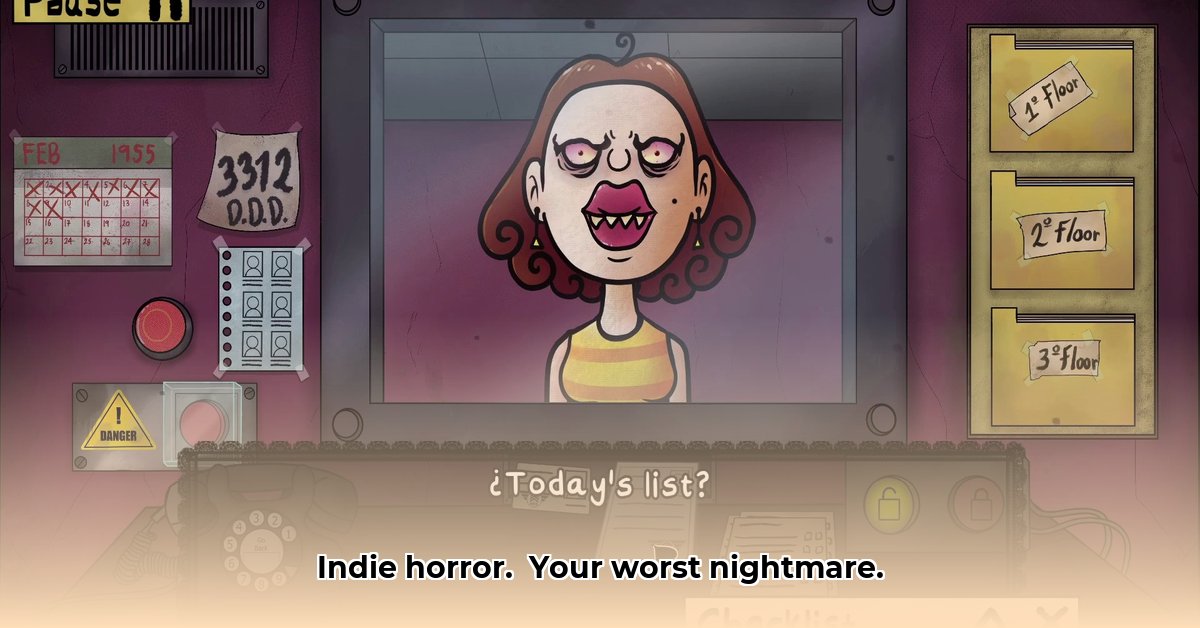
Ready for a truly unsettling gaming experience? Then prepare for a chilling journey back to the 1950s with That's Not My Neighbor. This isn't your typical horror game, relying on cheap jump scares. Instead, it's a game designed to test your observational skills, deductive reasoning, and tolerance for seriously creepy vibes. The game throws you into a world of uncanny valley doppelgangers and unsettling suburban paranoia – how will you fare?
A Neighborhood Wrapped in Nightmares
The premise is deceptively simple: you're the new caretaker of a seemingly idyllic suburban neighborhood. New families arrive, and your job is to identify the imposters—unnerving look-alikes hiding in plain sight among the outwardly normal residents. You'll uncover their stories through conversations and visual clues. But deciphering these clues and spotting the creepy doppelgangers presents a formidable challenge. Are you up to the task? The tension is palpable, building with each passing day, each new face a potential threat. This isn't just a game; it's a psychological thriller.
Gameplay: A Delicate Balancing Act
The core gameplay—spotting subtle differences between residents—is innovative and cleverly designed. The developers skillfully blend highly detailed character models and environmental storytelling to create a truly immersive experience. However, the game's success hinges on maintaining a difficult balance between challenge and frustration. Currently, the lack of difficulty options and limited replayability is a major drawback. While a single playthrough is memorable, the limited replay value represents a missed opportunity. Adding adjustable difficulty levels and multiple story endings would significantly enhance the game's longevity and appeal. Isn't replayability a key factor in a game's overall success?
The unsettling soundtrack, a constant hum of disquiet beneath the surface of seemingly normal suburban life, masterfully ratchets up the tension. It's a testament to the power of atmospheric sound design. What other indie horror games match this level of immersive audio?
Visuals and Soundscapes: A Masterclass in Unease
The visuals strongly contribute to the unnerving ambiance. The 1950s setting is meticulously recreated, evoking a sense of unsettling nostalgia. The detailed graphics allow players to pick up on subtle facial differences between imposters and genuine residents—small details crucial to solving the mystery. The sound design is equally impressive, employing ambient sounds and a subtly unsettling soundtrack to build suspense. This synergy between visuals and audio creates an incredibly immersive and unnerving atmosphere.
Weighing the Pros and Cons of That's Not My Neighbor
| Advantages | Drawbacks |
|---|---|
| Unique and captivating gameplay mechanic | Limited replayability |
| Immersive 1950s setting and atmosphere | High difficulty curve, potentially frustrating |
| Clever use of visual and auditory clues | Lack of adjustable difficulty settings |
| A disturbing yet compelling narrative | Disturbing visuals may be off-putting to some players |
Final Verdict: Should You Download That's Not My Neighbor?
If you crave a unique horror experience prioritizing atmosphere and thoughtful gameplay over cheap jump scares, That's Not My Neighbor is worth exploring. However, be prepared for disturbing visuals and currently limited replayability. Addressing these issues would elevate this promising title to the forefront of the indie horror genre. The game shows immense potential; a few refinements could transform it from a hidden gem into a genuine masterpiece.
How to Improve Doppelganger Identification: Unmasking the Imposters in "That's Not My Neighbor"
Key Takeaways:
- Identifying imposters is a trial-and-error process with no guaranteed success.
- Refusing entry to suspects is a key strategy.
- Player observation, intuition, and community collaboration are vital.
- The game's reliance on chance and unpredictable AI presents a design challenge.
- Improved in-game tutorials and clearer mechanics would significantly improve the experience.
So, you've downloaded "That's Not My Neighbor," and you're navigating unsettling suburban uncertainty. But how do you accurately distinguish neighbors from their uncanny doubles? This is the core gameplay challenge – a game of subtle differences with potentially significant repercussions.
The Elusive Doppelganger: A Probabilistic Game
The gameplay centers around distinguishing real residents from their unsettling counterparts. Careful observation, intuition, and trial and error are your only tools. Think of it as a terrifying game of "spot the difference" with high stakes. The results are not always predictable, relying on a combination of player skill and chance elements. How can the developers improve the balance between player skill and unpredictable chance?
What Works (and What Doesn't)
Let's analyze the current doppelganger identification mechanics:
What Works:
- Denial as a strategy: Repeatedly denying entry to suspicious individuals often triggers revealing reactions. The most crucial element is patience.
- Community knowledge: Online collaboration and shared experiences prove invaluable, compensating for the game's lack of explicit guidance.
What Doesn't Work:
- Lack of clear cues: The game doesn't always provide obvious visual or behavioral differences, creating frustration for players.
- Chance-based identification: The success of identification sometimes feels like a gamble, diminishing player agency and satisfaction.
Improving the Mechanics: A Developer's Roadmap
Developers can significantly enhance the game with these improvements:
- More Subtle Cues: Introduce consistent but subtle visual or auditory cues distinguishing doppelgangers without making them too obvious.
- Increased Interaction: Provide more diverse methods of interacting with suspects to elicit telling responses.
- In-Game Tutorial: A concise tutorial explaining gameplay mechanics and strategies would greatly benefit new players.
- Dynamic Difficulty: Adjust the frequency or subtlety of doppelgangers to offer varied challenge levels.
The Player's Role: Collective Intelligence
Until updates arrive, players can proactively contribute:
- Document Experiences: Share both successful and unsuccessful encounters to build a collective understanding of effective strategies.
- Create Guides: Develop comprehensive community guides detailing effective techniques and successful tactics.
In conclusion, "That's Not My Neighbor" offers a unique but occasionally frustrating gameplay experience. By refining the doppelganger identification mechanics and providing better in-game guidance, the developers can elevate this unsettling indie title to its full potential. For now, remember that patience, observation, and community collaboration are your most reliable allies.
⭐⭐⭐⭐☆ (4.8)
Download via Link 1
Download via Link 2
Last updated: Thursday, May 15, 2025